
Shop the Collection
Sound Healing Tools
Recommended Products
-
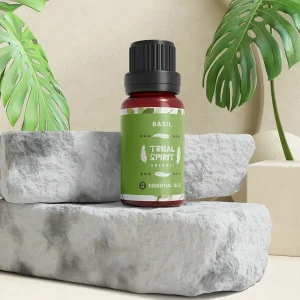
Basil Organic Essential Oil – 10ml
Price range: £6.95 through £66.00 -
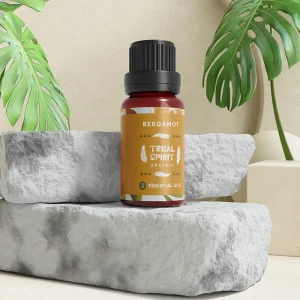
Bergamot Organic Essential Oil – 10ml
£5.99 -
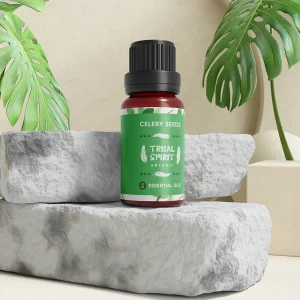
Celery Seeds Organic Essential Oil – 10ml
£5.99 -
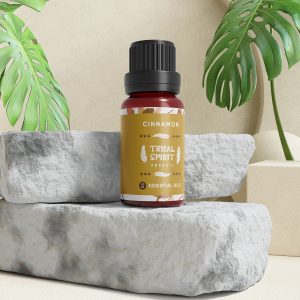
Cinnamon Organic Essential Oil – 10ml
Price range: £6.95 through £66.00 -
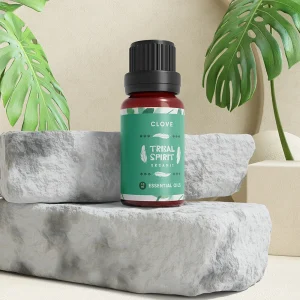
Clove Organic Essential Oil – 10ml
£5.99 -
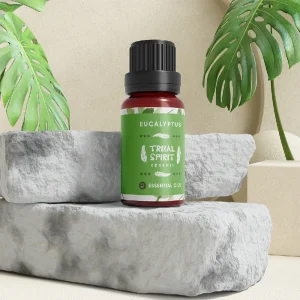
Eucalyptus Organic Essential Oil – 10ml
£5.99 -
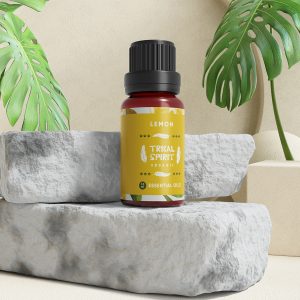
Lemon Organic Essential Oil – 10ml
Price range: £6.95 through £66.00 -
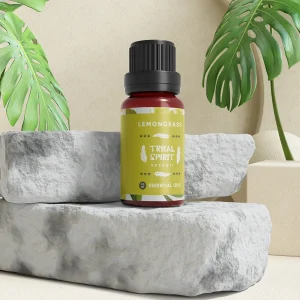
Lemongrass Organic Essential Oil – 10ml
Price range: £6.95 through £66.00 -
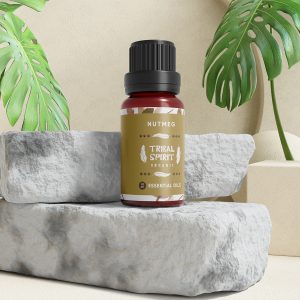
Nutmeg Organic Essential Oil – 10ml
Price range: £6.95 through £66.00
Your Practice Essentials
What You’ll Need
Essential Oils
The foundation of every aromatherapy practice. Choose by intuition or intention.
Shop Oils →
Incense
Pairs beautifully with oils to create a full sensory ritual environment.
Shop Incense →
Candles
Create atmosphere and serve as a focal point for your intention setting.
Shop Candles →
Crystals
Ground and amplify your practice with stones chosen for their energetic resonance.
Shop Crystals →Questions
Frequently Asked
What is the best essential oil for beginners? +
Lavender is the ideal starting point — it is versatile, gentle, and well-tolerated. It supports sleep, eases anxiety, and can be applied neat to the skin in small amounts. Sweet orange is another excellent beginner oil for lifting mood and energy.
Can I use essential oils directly on my skin? +
Most essential oils should be diluted in a carrier oil before skin application — a ratio of 2 to 3 drops per teaspoon of carrier oil is a safe starting point. Exceptions include lavender and tea tree, which can generally be applied neat in small amounts.
How long should I run my diffuser? +
30 to 60 minutes is generally enough to scent a room and feel the effects. Running a diffuser continuously can cause sensitisation over time — intermittent use of 30 minutes on, 30 minutes off is considered best practice.
What is the difference between incense and essential oils? +
Essential oils are concentrated plant extracts used in diffusers or applied to the skin, offering therapeutic benefits through inhalation or absorption. Incense is burned to release aromatic smoke, which has a more ceremonial quality and is traditionally used for space clearing and ritual.
Related Practices
Continue Your Journey
Sacred Practice
Meditation
Create sacred space, quiet the mind, and deepen your daily practice with intentionally curated ritual tools.
Explore Meditation →
Sacred Energy
Chakra Balancing
Align your energy centres, restore inner harmony, and move through the world with greater clarity and peace.
Explore Chakra Balancing →
Sacred Cycles
Lunar Rituals
Align your intentions and your practice with the ancient rhythm of the moon and its eight sacred phases.
Explore Lunar Rituals →