

Sound Healing
SOUND PRACTICE
Sound Healing For Deep Relaxation & Mental Clarity
Learn how to start meditating in a simple, grounded way. No overwhelm, no perfection — just a clear path to a calm, consistent practice.
Struggling To Switch Off Or Fully Relax?
Constant Noise
Your mind never fully settles
Physical Tension
Your body stays tight
Mental Overload
You feel overstimulated
What Sound Healing Actually Is (And What It Isn’t)
- Sound healing uses vibration and frequency
- It works through listening and sensation
- It’s not about belief — it’s about response
- Your body reacts naturally to sound
What Sound Healing Feels Like
Sound healing isn’t something you need to understand — it’s something you experience.
As you listen, your body begins to slow down.
Your breathing deepens, your muscles soften, and your mind becomes quieter without effort.
This is why even a short session can feel powerful.
What Happens When You Use Sound To Relax
- Reduced stress
- Calmer mind
- Less tension
- Better focus
- Improved sleep
- Emotional balance
How To Start Sound Healing (Simple Method)
- Sit or lie down comfortably
- Play calming sound (music, bowls, tones)
- Close your eyes
- Focus on listening
- Let your body relax
Find What Your Body Needs
If your energy feels off, your body will respond differently to sound. Start by understanding your current state.
A Simple Sound Healing Ritual
- Sit or lie down
- Light incense or candle
- Play sound (bowls, music, tones)
- Focus on listening
- Let your body settle
Tools That Can Support Your Practice
Crystals
Crystals can help anchor your attention and give your practice a simple point of focus, especially when you’re just starting out.
Incense
Scent is one of the fastest ways to signal to the mind that it’s time to slow down, making it easier to settle into your practice.
Oils
Essential oils can support relaxation and help create a calm, grounded environment for meditation.
Candles
Lighting a candle creates a simple ritual marker — a clear beginning to your practice and a visual point of focus.
Your Practice Starts Here
You don’t need the perfect setup. You don’t need experience.
Just begin.
Start small, stay consistent, and let your practice grow naturally over time.
Or continue learning through our guides and practices.
FREE DOWNLOAD
The 40-Page Beginner’s Meditation Guide
Everything you need to build a meaningful daily practice.
Understanding Sound Healing In More Depth
If you want to understand how sound healing works more deeply, this section explains how vibration, frequency, and the body interact.
How Sound Affects The Body And Mind
Sound is not only heard — it is felt.
Sound waves travel through the body, creating subtle vibrations that influence muscles, nerves, and brain activity.
This is why certain sounds can instantly relax you, while others create tension.
How Sound Calms The Nervous System
Slow, rhythmic sounds can activate the part of your nervous system responsible for relaxation.
This reduces heart rate, lowers tension, and helps your body shift out of stress.
Even a short session can begin to change how you feel.
The Role Of Frequency And Vibration
Different sounds carry different frequencies.
These frequencies interact with the body in subtle ways, influencing how your brain and nervous system respond.
Some sounds promote alertness, while others promote calm and stillness.
Common Types Of Sound Healing
- Singing bowls
- Gongs
- Tuning forks
- Binaural beats
- Nature sounds
Why Sound Healing Works Quickly
Sound requires no effort.
You don’t need to control your thoughts or focus intensely.
By simply listening, your body begins to respond — which is why the effects can feel immediate.
Sound Healing And Energy Balance
Sound works closely with other practices like meditation, breathwork, and chakra balancing.
It helps create a state where your body becomes more receptive to change.
This is why it is often used alongside other practices.
- Meditation
- Breathwork
- Chakra Balancing
- Energy scan
Sacred Scent
The Art of Sound Healing
Harness the power of plant medicine to transform your space, shift your mood, and support your daily wellbeing.
The Practice
Sound Healing as Sacred Practice
Aromatherapy is one of the oldest forms of plant medicine — a practice rooted in the understanding that scent is a direct pathway to the nervous system, the emotions, and the deeper layers of the self.
Essential oils, incense, and botanical blends carry the concentrated life force of the plant. When diffused, applied, or burned with intention, they can shift energy, invite calm, stimulate focus, or open the heart.
At Alchemy Wares, our aromatherapy collection has been chosen for purity, potency, and energetic resonance. Each product supports a different aspect of your practice and your wellbeing.
Shop the Collection
Sound Healing Tools
Recommended Products
-
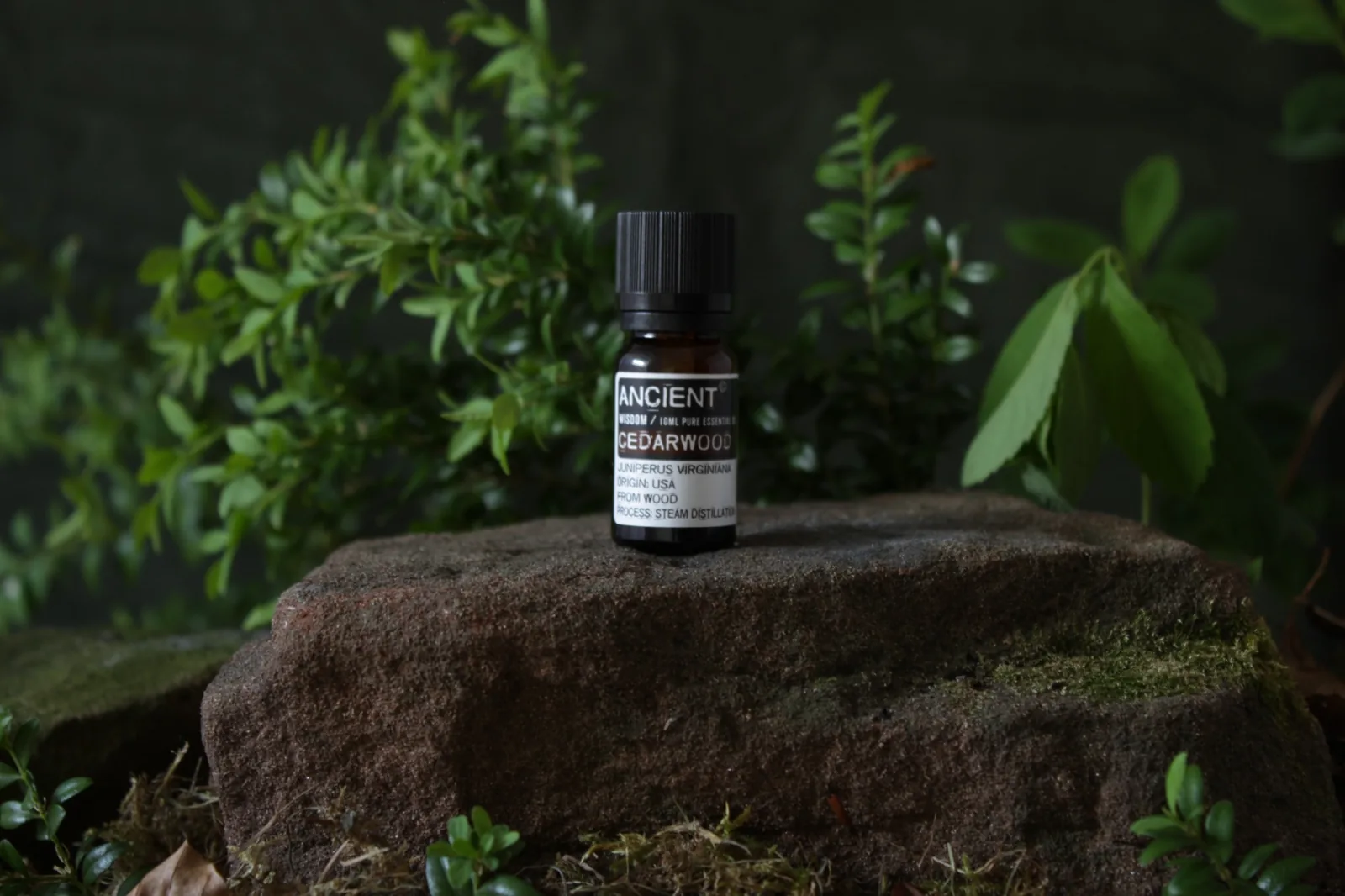
Cedarwood Essential Oil – 10ml
-
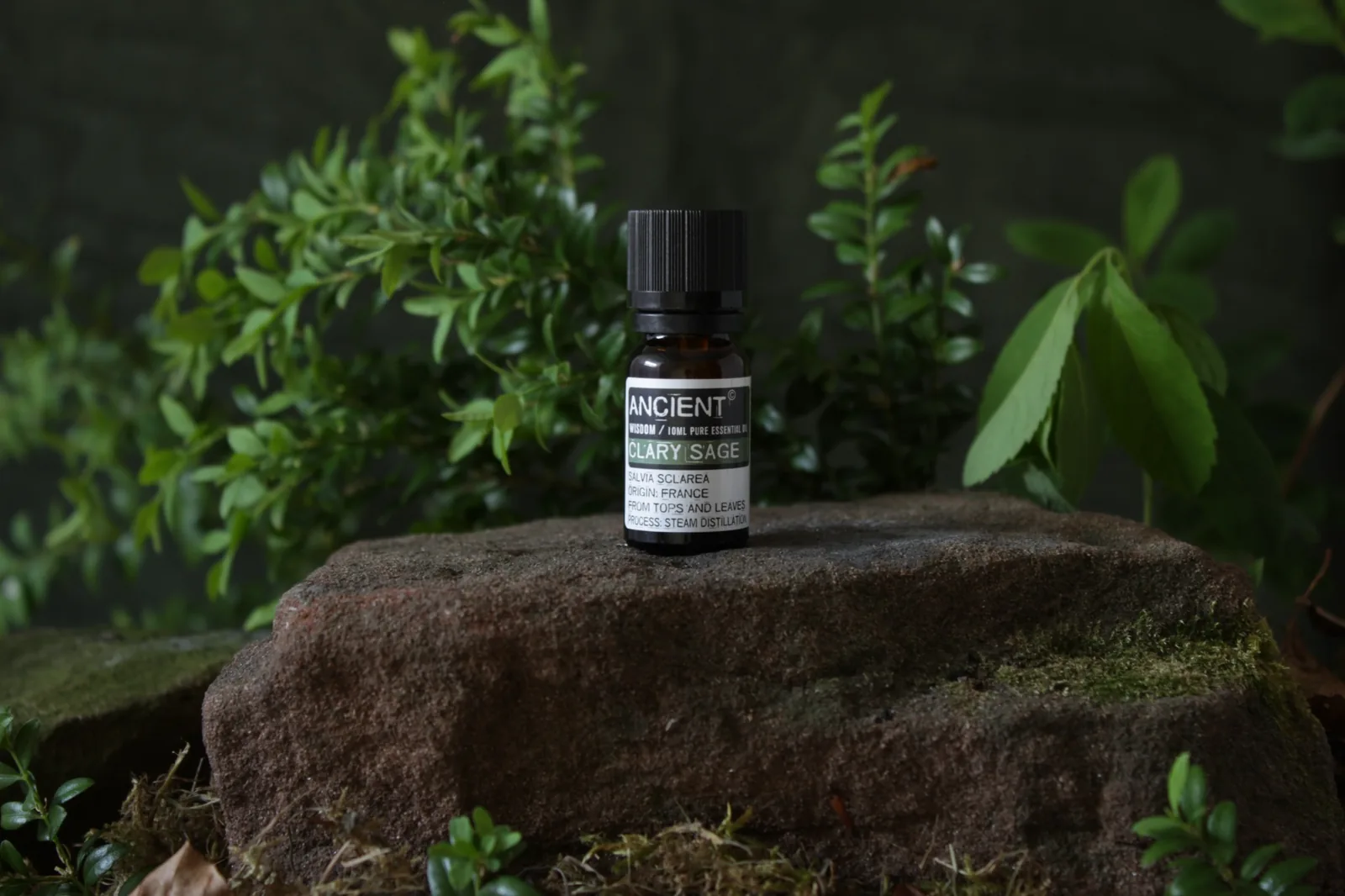
Clary Sage Essential Oil – 10ml
£5.99 -
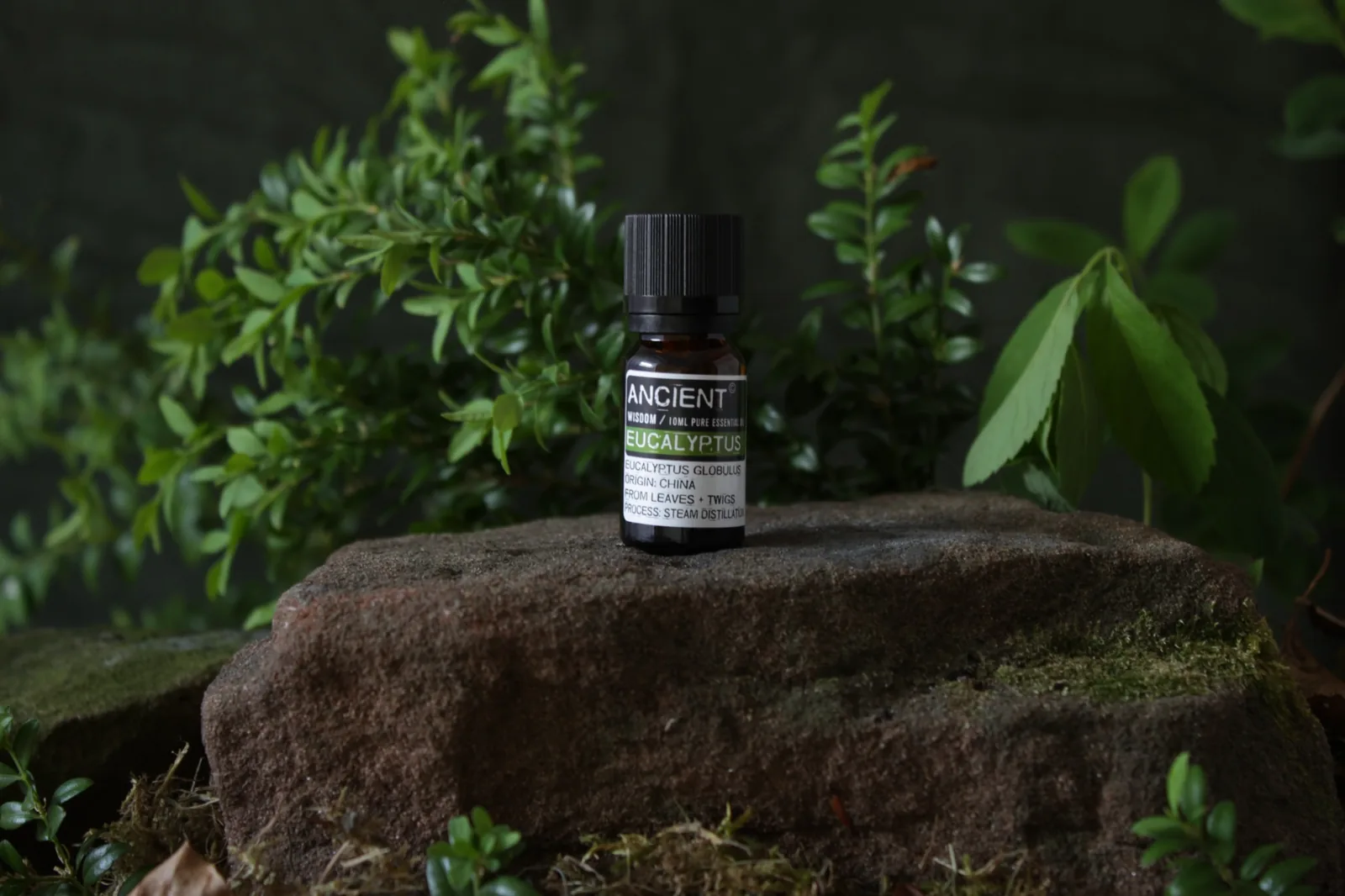
Eucalyptus Organic Essential Oil – 10ml
£5.99 -
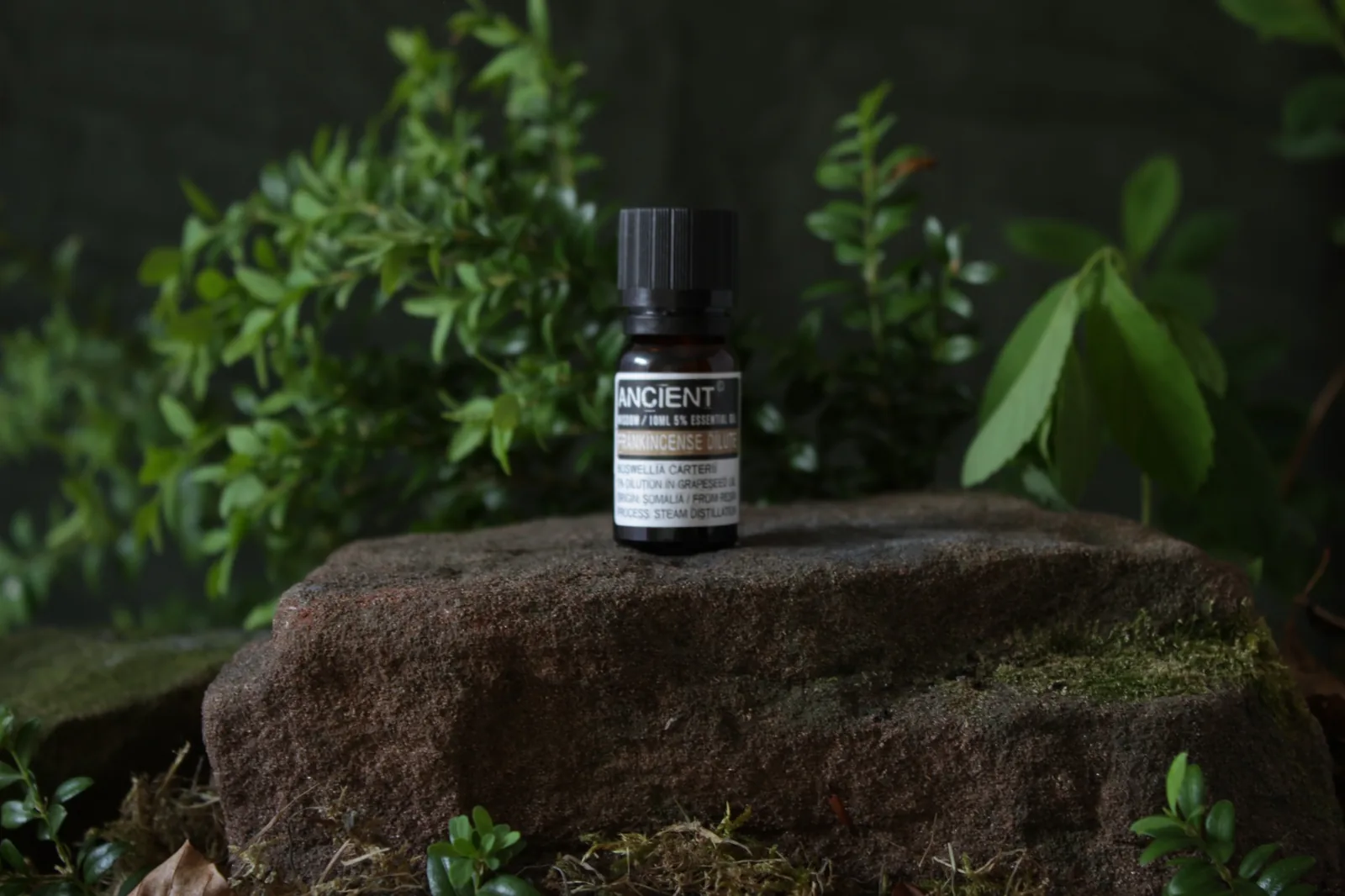
Frankincense Essential Oil – 10ml
Price range: £6.95 through £66.00 -
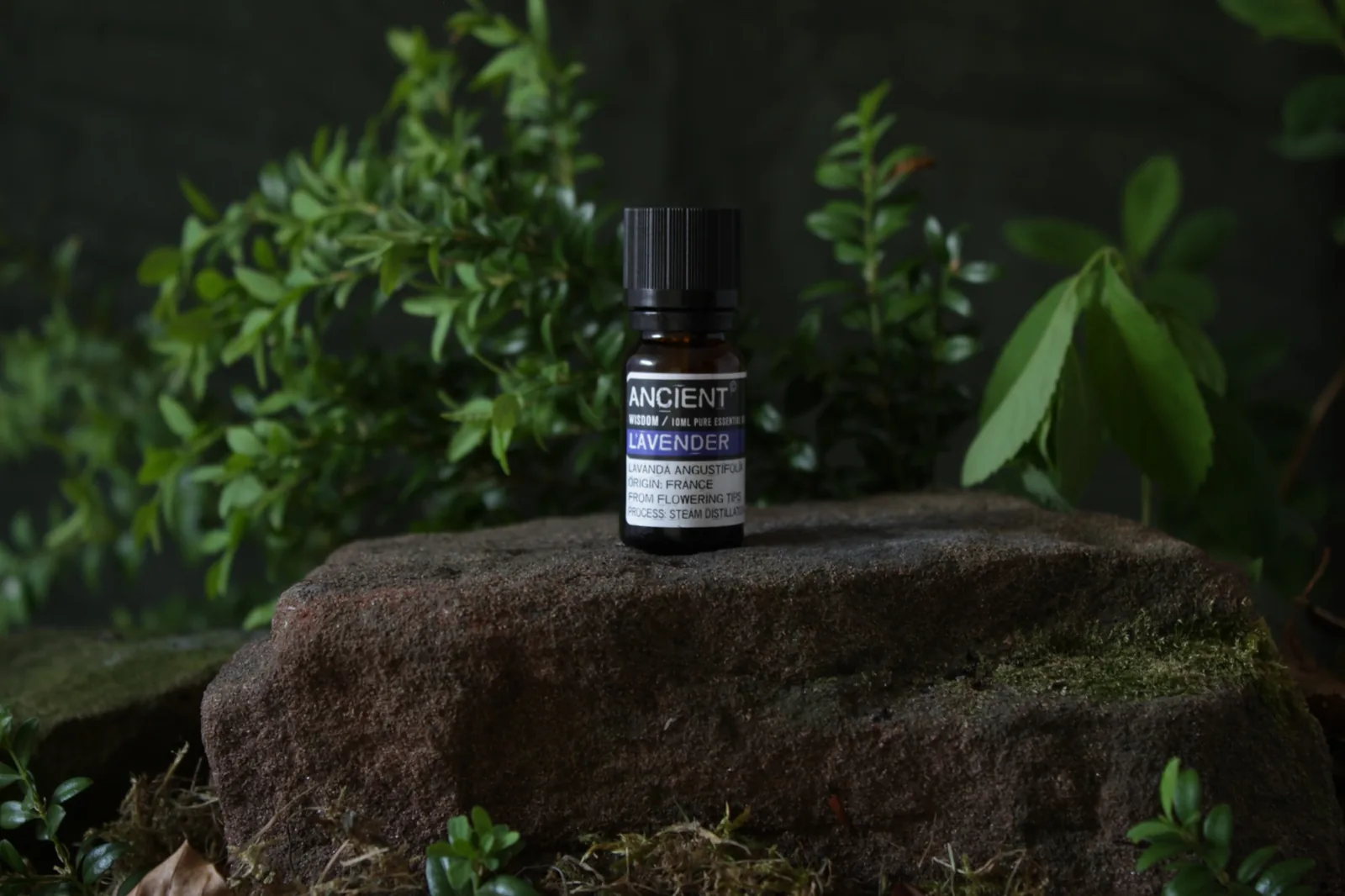
Lavender Organic Essential Oil – 10ml
£5.99 -
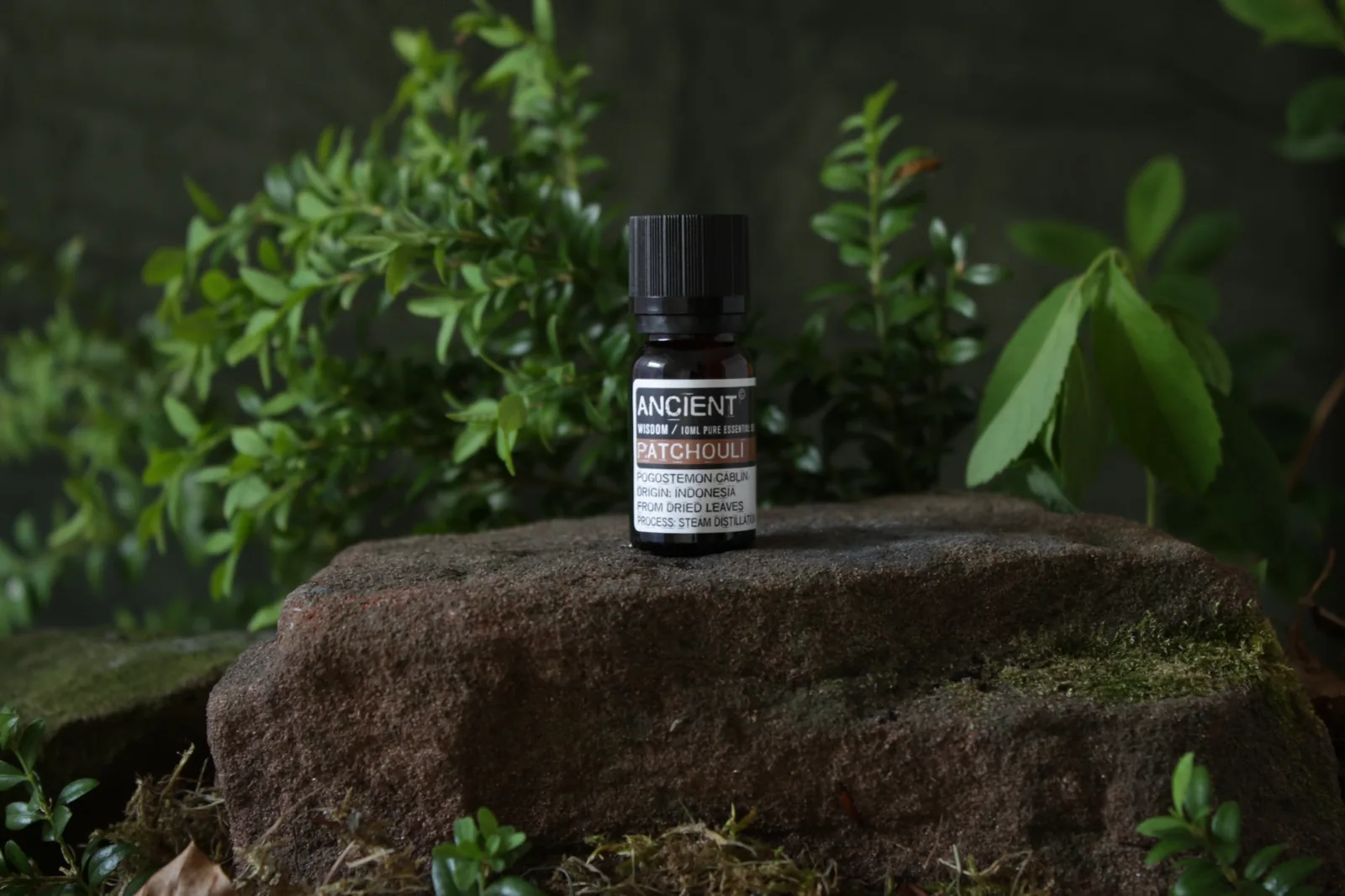
Patchouli Essential Oil – 10ml
-
Patchouli Essential Oil – 10ml
£5.99 -
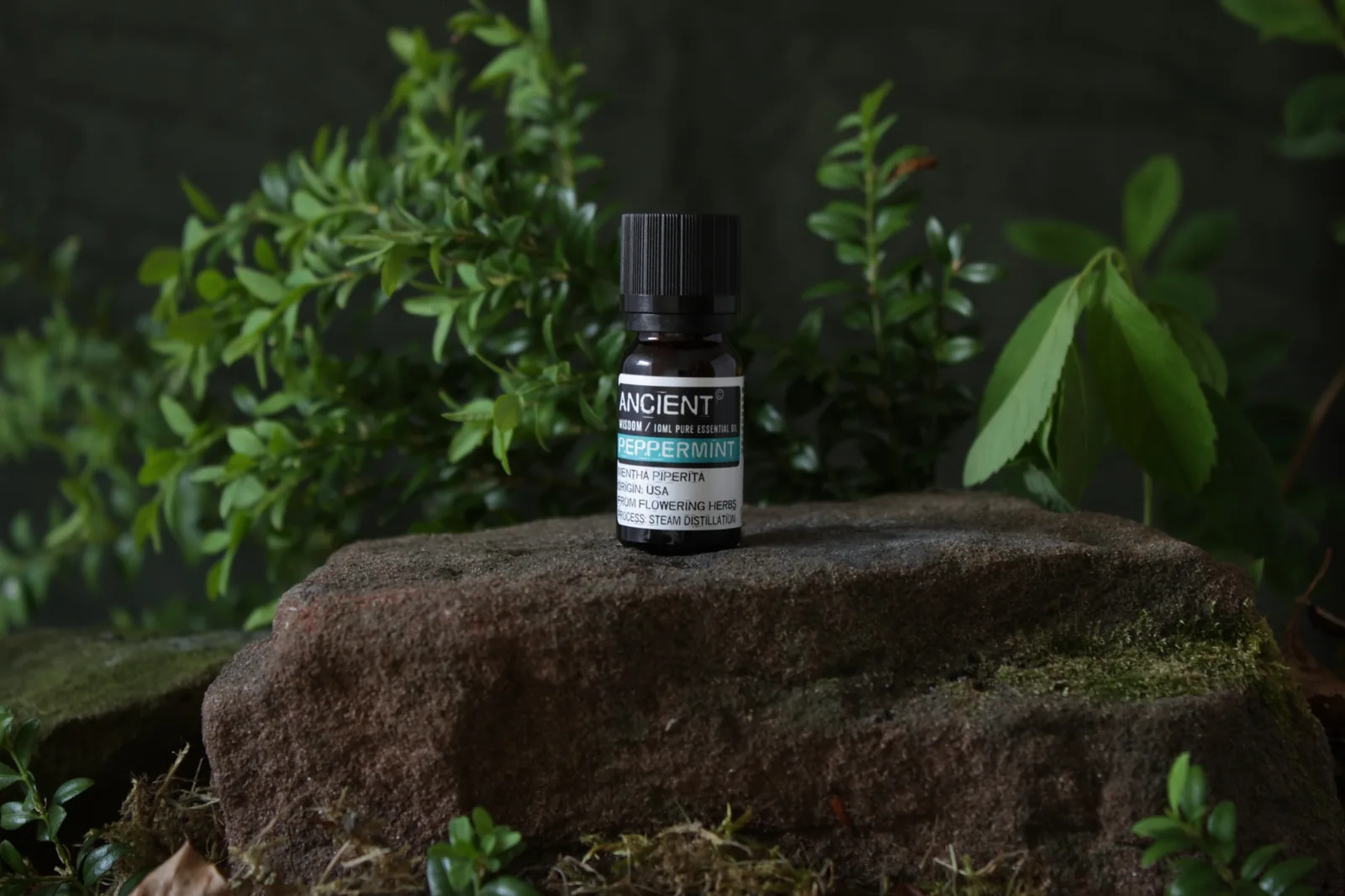
Peppermint Essential Oil – 10ml
-
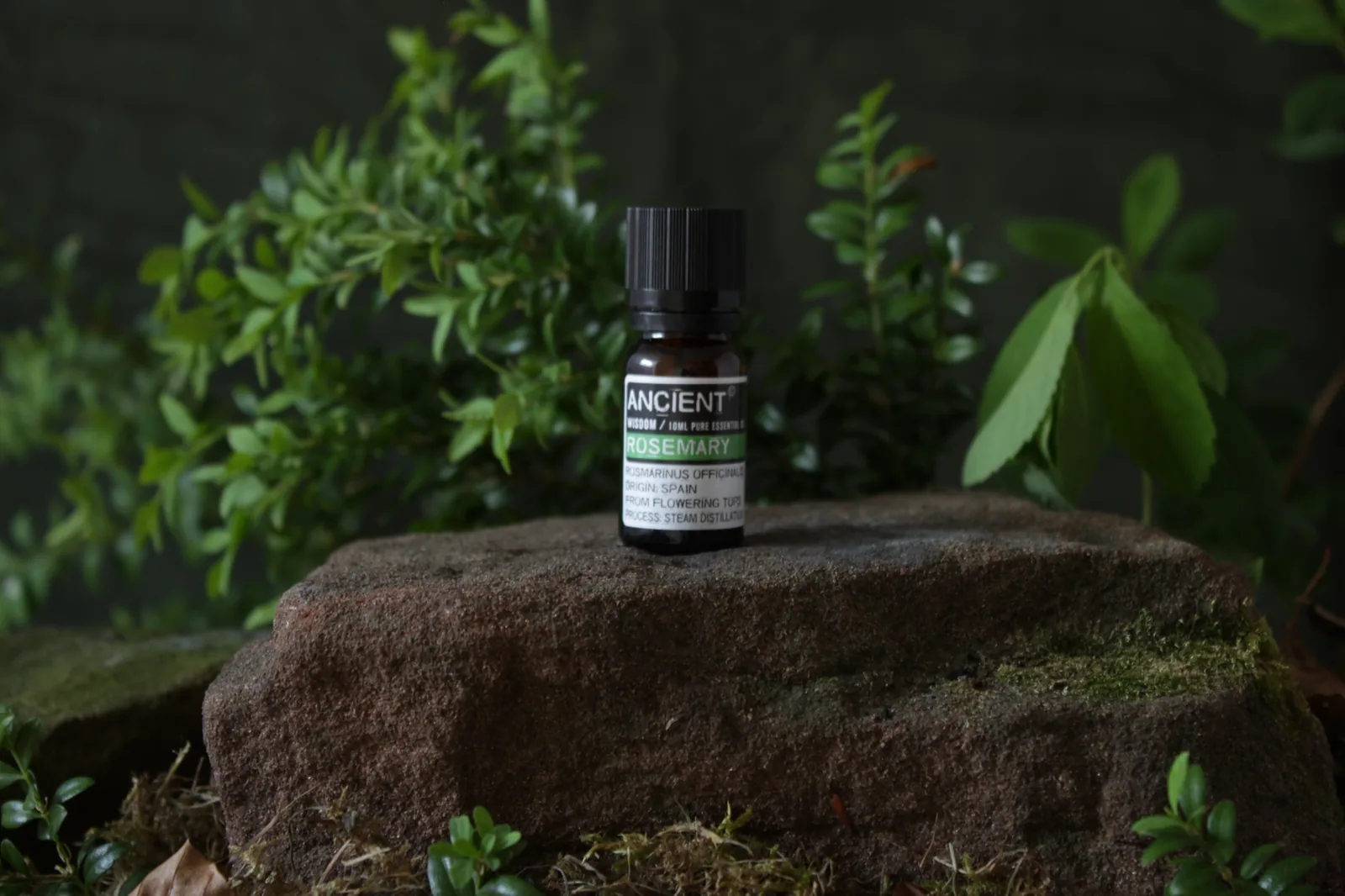
Rosemary Organic Essential Oil – 10ml
Price range: £6.95 through £66.00
Your Practice Essentials
What You’ll Need

Essential Oils
The foundation of every aromatherapy practice. Choose by intuition or intention.
Shop Oils →
Incense
Pairs beautifully with oils to create a full sensory ritual environment.
Shop Incense →
Candles
Create atmosphere and serve as a focal point for your intention setting.
Shop Candles →
Crystals
Ground and amplify your practice with stones chosen for their energetic resonance.
Shop Crystals →How To
Create a Simple Sound Healing Ritual
Begin by selecting your oil intuitively — trust what draws you in the moment rather than what you think you should choose. The body knows what it needs. Lavender invites stillness and rest, eucalyptus clears the mind and the airways, frankincense deepens spiritual connection and quiets mental noise, while sweet orange lifts the mood instantly and opens the heart to lightness.
If you are new to aromatherapy, start with a single oil rather than a blend. Learning the character of each plant individually builds a relationship with the medicine — you begin to recognise what each oil does in your body, your mind, and your space.
Add 4 to 6 drops to your diffuser with water, or dilute in a carrier oil such as jojoba or sweet almond before applying to the wrists, temples, or the soles of the feet. The skin absorbs quickly — less is always more. Over-application dulls the senses and can cause sensitisation over time. Two drops applied with presence will always outperform ten applied without intention.
If you are working with a specific emotional or energetic intention — calm, clarity, grief, confidence, grounding — choose your oil in alignment with that intention and state it silently as you apply or diffuse. This act of conscious pairing amplifies the effect significantly.
Light a candle, sit quietly, and breathe. Give the oil at least five minutes to work before judging its effect — the nervous system needs time to receive and respond. Notice what shifts in your body, your breath, your mood. Aromatherapy is not dramatic; it is subtle and cumulative. The more consistently you use it, the more deeply it supports you, and the more quickly your system learns to respond.
Keep a small notebook nearby. Recording which oils you used, what you noticed, and how you felt afterward builds an invaluable personal reference over time — your own aromatherapy practice, shaped entirely by your own experience.
How To Begin
A Simple Aromatherapy Practice
Choose your oil or blend based on your intention for the session.
Add to a diffuser, apply to pulse points, or add a few drops to a warm bath.
Breathe slowly and deeply. Allow the scent to anchor your awareness to the present moment.
Set an intention — calm, clarity, energy, or healing — and let the plant support it.
Close your practice with gratitude for the plant and its gifts.
Questions
Frequently Asked
What is the best essential oil for beginners? +
Lavender is the ideal starting point — it is versatile, gentle, and well-tolerated. It supports sleep, eases anxiety, and can be applied neat to the skin in small amounts. Sweet orange is another excellent beginner oil for lifting mood and energy.
Can I use essential oils directly on my skin? +
Most essential oils should be diluted in a carrier oil before skin application — a ratio of 2 to 3 drops per teaspoon of carrier oil is a safe starting point. Exceptions include lavender and tea tree, which can generally be applied neat in small amounts.
How long should I run my diffuser? +
30 to 60 minutes is generally enough to scent a room and feel the effects. Running a diffuser continuously can cause sensitisation over time — intermittent use of 30 minutes on, 30 minutes off is considered best practice.
What is the difference between incense and essential oils? +
Essential oils are concentrated plant extracts used in diffusers or applied to the skin, offering therapeutic benefits through inhalation or absorption. Incense is burned to release aromatic smoke, which has a more ceremonial quality and is traditionally used for space clearing and ritual.
Related Practices
Continue Your Journey
Sacred Practice
Meditation
Create sacred space, quiet the mind, and deepen your daily practice with intentionally curated ritual tools.
Explore Meditation →
Sacred Energy
Chakra Balancing
Align your energy centres, restore inner harmony, and move through the world with greater clarity and peace.
Explore Chakra Balancing →
Sacred Cycles
Lunar Rituals
Align your intentions and your practice with the ancient rhythm of the moon and its eight sacred phases.
Explore Lunar Rituals →