
What Is Citrine?
Citrine is a golden-yellow variety of quartz, prized for its warm colour and long association with abundance, confidence and personal empowerment. Its colours range from pale honey and champagne tones to deep golden amber, created by trace amounts of iron within the crystal structure.
Known throughout history as a stone of prosperity and success, Citrine has been valued by merchants, travellers and spiritual practitioners for centuries. Unlike many crystals associated with introspection and stillness, Citrine is often linked with motivation, optimism and forward movement.
In the modern crystal healing tradition, Citrine is known as The Merchant’s Stone — a crystal associated with abundance, creativity, confidence and positive energy.
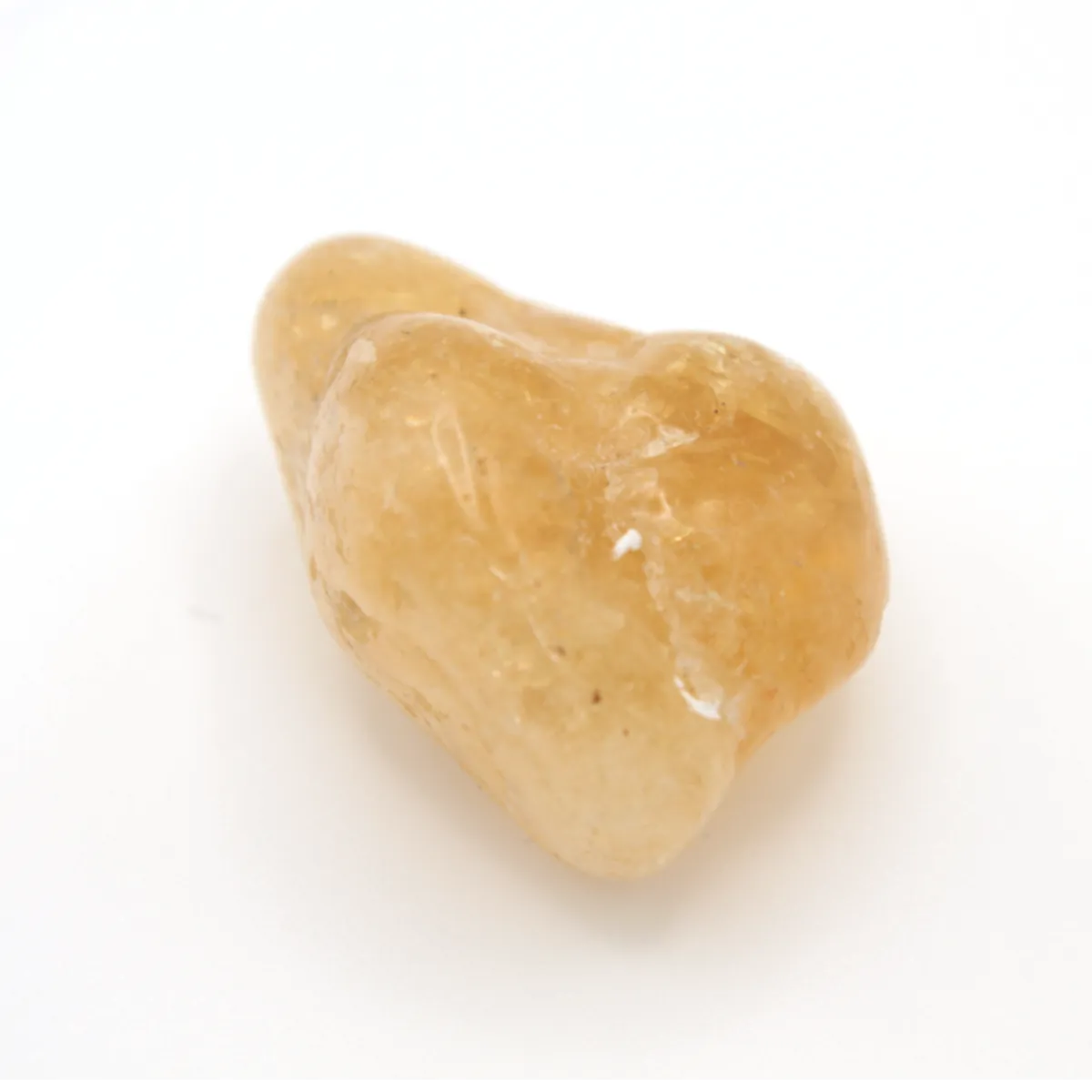
CITRINE
✦STONE OF ABUNDANCE
✦ CRYSTAL QUICK FACTS ✦


✦ CRYSTAL PROFILE ✦
|
|
Trigonal |
|---|---|
 |
Transparent–Translucent |
 |
Vitreous |
 |
Brazil, Madagascar, Spain |
|
|
Quartz |
 |
November |
 |
Abundant, Confident, Energising |
✦ KEY PROPERTIES ✦


✦ CRYSTAL CARE ✦


✦ SACRED ASSOCIATIONS ✦


Citrine At A Glance
Manifesting abundance, success, and prosperity. Boosting self-confidence and creativity.
Solar Plexus. Secondary: Sacral and Crown.
fire
Warm, energizing, abundant, and joyful.
The Meaning & Symbolism Of Citrine
The symbolism of Citrine centres around abundance, vitality and personal power.
Its golden colour has long connected it with the energy of the sun, representing warmth, success, confidence and growth. Throughout history, Citrine has been associated with prosperity, opportunity and the courage to pursue one’s goals.
Beyond its appearance, Citrine has traditionally symbolised:
- Abundance and prosperity
- Confidence and self-belief
- Creativity and inspiration
- Joy and optimism
- Personal empowerment
- Positive action and motivation
In modern spiritual traditions, Citrine is often regarded as a crystal of manifestation and success, encouraging individuals to take practical steps towards their goals while maintaining a positive outlook.
Citrine Healing Properties
✦ Emotional Healing Properties
Citrine is widely associated with optimism, confidence and emotional resilience.
Traditionally, Citrine is believed to help:
- Encourage self-confidence
- Promote a positive mindset
- Reduce self-doubt
- Support motivation and determination
- Encourage emotional balance
- Inspire enthusiasm and joy
Many practitioners view Citrine as a powerful reminder that challenges can become opportunities for growth.
✦ Spiritual Healing Properties
Citrine is often associated with manifestation, personal empowerment and creative expression.
Traditionally, Citrine is believed to:
- Strengthen intention-setting practices
- Support manifestation work
- Encourage personal growth
- Inspire creativity
- Promote confidence during spiritual development
- Support a positive and abundant mindset
Rather than encouraging withdrawal from the world, Citrine is often viewed as a crystal that helps transform ideas into action.
✦ Physical Healing Associations
While crystals should never replace professional medical advice, Citrine has traditionally been associated with:
- Supporting vitality and motivation
- Encouraging feelings of wellbeing
- Promoting energetic balance
- Supporting focus and productivity
- Encouraging a positive outlook
Many practitioners simply use Citrine as a daily reminder to approach life with confidence, optimism and purpose.
Citrine & The Chakras
Amethyst primarily activates two of the upper chakras:
The Solar Plexus Chakra (Manipura)
Located above the navel, the Solar Plexus Chakra governs self-confidence, motivation and personal identity.
Citrine is traditionally used to help:
- Strengthen self-belief
- Encourage decisive action
- Support confidence
- Promote motivation
- Develop personal empowerment
- Cultivate resilience
When the Solar Plexus Chakra is balanced, we often feel capable, motivated and ready to pursue our goals.
Supporting Chakras
Many practitioners also associate Citrine with the Sacral Chakra due to its connection with creativity, passion and inspiration.
Together these energies support confidence, creative expression and personal growth.
How To Use Citrine
For Manifestation & Goal Setting
Citrine is one of the most popular crystals for manifestation and intention work. Many practitioners use Citrine when focusing on personal goals, career ambitions, financial growth and self-improvement.
Hold your Citrine while visualising your desired outcome and focus on the practical actions needed to achieve it.
For Confidence & Motivation
Citrine is often carried throughout the day as a reminder of personal strength and self-belief.
Many people keep Citrine nearby when:
- Starting a new project
- Preparing for interviews
- Public speaking
- Studying or learning new skills
- Building a business
- Pursuing personal goals
Its bright energy is traditionally associated with optimism, determination and perseverance.
For Creativity & Inspiration
Artists, writers and creators often work with Citrine to encourage fresh ideas and creative momentum.
Place Citrine on your desk, workspace or creative area when:
- Brainstorming new ideas
- Writing
- Designing
- Problem-solving
- Developing new projects
For Home & Sacred Space
Citrine is frequently displayed in areas associated with abundance and productivity.
Popular locations include:
- Home offices
- Workspaces
- Business premises
- Study areas
- Personal altars
- Living rooms
Many practitioners place Citrine near entrances or work areas as a symbolic reminder of opportunity and growth.
As Jewellery
Wearing Citrine keeps its uplifting energy close throughout the day.
Popular options include:
- Pendants
- Bracelets
- Rings
- Pocket stones
Many wearers find it serves as a useful reminder to remain positive, confident and focused on their goals.
In Crystal Grids
Citrine is frequently used in crystal grids focused on:
- Abundance
- Prosperity
- Success
- Creativity
- Confidence
- Manifestation
It pairs particularly well with Clear Quartz, Pyrite and Green Aventurine for abundance-focused intentions.
How to Cleanse & Charge Citrine
Many crystal practitioners believe Citrine benefits from regular cleansing and intention-setting, especially when used for manifestation, abundance work and personal growth.
✅ Safe Cleansing Methods
| Method | How To | Frequency |
| Moonlight | Place on a windowsPlace on a windowsill overnight, especially during the Full Moon | Monthly |
| Sound Cleansing | Ring a bell, tuning fork, or singing bowl near it | Weekly |
| Smoke | Pass through sage, palo santo, or incense smoke | As needed |
| Earth | Bury in soil for 24 hours | When deeply depleted |
| Intention | Hold and visualize white light clearing it | Anytime |
| Selenite | Place on a selenite charging plate | Continuously |
❌ Methods To Avoid
Harsh Chemicals
Avoid cleaning products and abrasive materials.
Extreme Temperature Changes
Sudden heating and cooling can damage some crystal specimens.
How Often Should You Cleanse Citrine?
Daily Carry Stone
Once per week
Manifestation Crystal
After major intention-setting sessions
Display Pieces
Monthly
Business or Workspace Citrine
Every 2–4 weeks
Many practitioners also like to revisit their intentions whenever they cleanse Citrine, treating it as an opportunity to reflect on goals, progress and future plans.
Citrine Formation & Composition
Mineral Group: Quartz
Chemical Formula: SiO₂
Crystal System: Trigonal
Formation Type: Hydrothermal
Colour Source: Trace iron impurities and natural heat exposure
Mohs Hardness: 7
Transparency: Transparent to Translucent
Lustre: Vitreous
How Citrine Forms
Citrine forms when silica-rich solutions crystallise within cavities, fractures and veins deep within the Earth’s crust. Over millions of years, quartz crystals slowly develop under conditions of heat and pressure, creating the clear crystal structure for which quartz is known.
Natural Citrine is relatively rare compared to other varieties of quartz and is found in locations including Brazil, Madagascar, Russia, Spain and parts of Africa.
What Makes Citrine Yellow?
The golden colour of Citrine is created by trace amounts of iron within the crystal structure combined with natural geological heating processes.
Depending on the concentration of iron and the conditions during formation, Citrine can range from:
- Pale yellow
- Honey gold
- Champagne
- Amber
- Deep golden orange
The richest natural specimens often display warm golden tones with excellent transparency.
Natural vs Heat-Treated Citrine
Most commercial Citrine available today is produced by heating Amethyst or Smoky Quartz.
Natural Citrine and heat-treated Citrine share the same mineral family but often display different colour characteristics.
Natural Citrine typically exhibits:
- Softer golden tones
- More uniform colour
- Greater rarity
Heat-treated Citrine often displays:
- Deep orange colouring
- White crystal bases
- Strong colour concentration near crystal tips
Both forms are genuine quartz, though natural Citrine is generally considered more collectible due to its rarity.
Historical Significance of citrine
Historical Significance Of Citrine
Ancient Greece
The name Citrine comes from the French word citron, meaning lemon, a reference to the crystal’s golden-yellow colour.
Although Citrine was known in the ancient world, it was less common than other quartz varieties and was primarily valued for its beauty and decorative use.
Ancient Rome
Roman craftsmen frequently carved Citrine into jewellery, intaglios and decorative objects. Wealthy citizens prized its warm golden colour and association with prosperity and success.
The Age Of Trade
As trade routes expanded across Europe, Citrine became increasingly associated with merchants, travellers and business owners. Its bright colour led many people to view it as a symbol of abundance and opportunity.
Victorian Era
Citrine became especially popular during the nineteenth century. Large Citrine gemstones appeared in brooches, rings and ornamental jewellery throughout Britain and Europe.
The Merchant’s Stone
Over time, Citrine developed a reputation as the “Merchant’s Stone” or “Success Stone.” Many business owners traditionally kept Citrine near cash boxes, shops and places of trade as a symbol of prosperity and financial growth.
Modern Significance
Today Citrine remains one of the world’s most popular crystals for abundance, confidence, creativity and personal empowerment. It is widely used by entrepreneurs, students, creators and anyone seeking greater motivation and optimism.
Cirine & The Moon
Topics:
- New Moon
- Intuition
- Psychic awareness
- Shadow work
- Transformation
Citrine In Feng Shui
Amethyst is traditionally associated with:
Knowledge & Wisdom Area
Placed in study spaces, offices and reading areas.
Spiritual Development
Used in meditation rooms and sacred spaces.
Protective Energy
Many practitioners position Amethyst near entrances or communal areas.
Calm & Harmony
Clusters are often displayed in living spaces to encourage peaceful energy.
Crystals That Pair Beautifully With Citrine
Crystals work synergistically. Here are amethyst’s most powerful companions:
Amethyst
+
Rose Quartz
For: Heart-mind balance
Amethyst calms the mind while rose quartz softens the heart.
Amethyst
+
Clear Quartz
For: Amplified practice
Clear quartz amplifies amethyst’s frequency and intention.
Amethyst
+
Citrine
Found together naturally as ametrine, this pairing balances spiritual insight.
Who Should Work With Citrine?
Amethyst is one of the most universally beneficial crystals — but it especially calls to:
- The Spiritual Seeker
- The Overthinker
- The Stressed Professional
- The Meditation Practitioner
- The Sensitive Empath
- The Crystal Beginner
If any of these resonate, amethyst is likely already calling to you.
How to Spot Real vs Fake Citrine
The amethyst market is flooded with synthetics and dyed alternatives. Here’s how to tell the difference:
✅ Signs of Genuine Amethyst:
- Colour variation — Real amethyst has zones of lighter and darker purple
- Natural inclusions — Tiny imperfections, bubbles, or veining
- Cool to the touch — Amethyst stays noticeably cool, even in warm rooms
- Hardness — Should not scratch with a steel knife (it will scratch the knife)
- Weight — Genuine amethyst feels substantial for its size
❌ Red Flags:
- Perfectly uniform colour — Often indicates dyed glass or synthetic
- Air bubbles inside — Sign of glass, not crystal
- Suspiciously low price — Quality amethyst rarely sells for pennies
- “Heat-treated” — Often becomes citrine; not the same energetic frequency
At Alchemy Wares, every amethyst piece is hand-selected and ethically sourced from trusted suppliers in Brazil and Uruguay.
Frequently Asked Questions
Can amethyst go in water?
Yes — amethyst is a hard stone (7 on the Mohs scale) and is generally safe in water for short periods. However, prolonged saltwater exposure can damage its surface. For cleansing, brief rinses in fresh water are fine; avoid leaving it submerged for hours.
Can I sleep with amethyst under my pillow?
Yes, and many people do for better sleep and dream recall. However, amethyst is energetically stimulating for some sensitive sleepers. If you experience overly vivid dreams or restless sleep, move it to your bedside table instead.
Why does my amethyst look faded?
Amethyst fades when exposed to direct sunlight for extended periods. Its iron-based purple colour is light-sensitive. Once faded, the colour cannot be restored — so always charge amethyst by moonlight, never sunlight.
Is amethyst expensive?
Amethyst is one of the more affordable spiritual crystals due to its abundance, especially from Brazil and Uruguay. Small tumbled stones can cost a few pounds; high-grade deep purple clusters or geodes can cost hundreds. Quality varies widely with colour saturation and clarity.
Can amethyst protect against negative energy?
Yes — amethyst is traditionally used for psychic and spiritual protection. It’s particularly effective at filtering negative thought-forms and shielding empaths from energetic overwhelm. Pair with black tourmaline for stronger physical-realm protection.
What’s the difference between amethyst and lavender amethyst?
Lavender amethyst (sometimes called “lavender quartz” or “Veracruz amethyst”) is simply a paler variety. Energetically it’s gentler — better for sensitive children, beginners, or those who find deep amethyst overwhelming.
Can amethyst help with addiction recovery?
Amethyst has a long historical association with sobriety, going back to the Greek belief that it prevented drunkenness. In modern crystal healing, it’s used to support recovery from any compulsive pattern — not as a cure, but as an emotional and spiritual ally during the work of healing.
🛒 Shop Our Citrine Collection
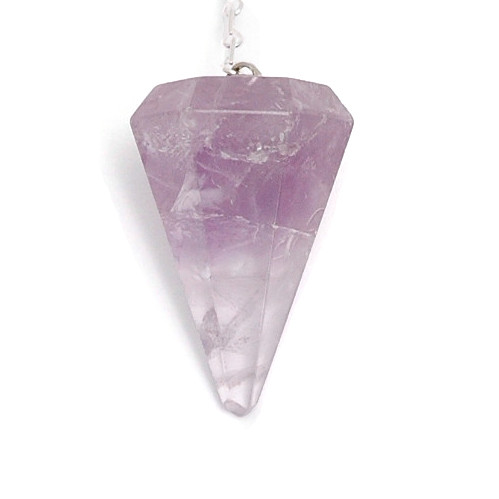
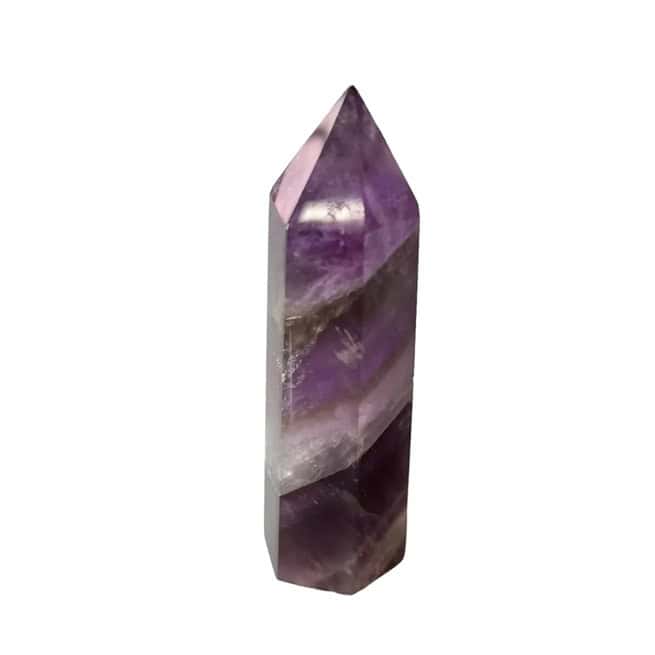
Every piece in our collection is ethically sourced and personally selected. Whether you’re new to crystals or building a practice, we have an amethyst piece for you.
✦ Continue Your Journey
Discover Your Personal Crystal Match
Explore the Crystal Finder Oracle to reveal which stones align with your current intention.
Explore Related Crystals
- [Rose Quartz — The Stone of Unconditional Love →]
- [Clear Quartz — The Master Healer →]
- [Selenite — The Liquid Light →]
- [Lepidolite — The Stone of Transition →]
- [Moonstone — The Goddess Stone →]
A Final Word on Citrine
Of all the crystals in the mineral kingdom, few are as gentle, as patient, and as quietly powerful as amethyst. It doesn’t demand. It doesn’t perform. It simply waits — like a wise, silent friend — until you’re ready to listen.
Whether you’re easing into your first meditation practice, walking through anxiety, seeking deeper sleep, or stepping onto a more conscious spiritual path, amethyst meets you exactly where you are.
May it serve you well.
— The Alchemy Wares Team