
What Is Turquoise?
Amethyst is a violet variety of quartz, formed deep within volcanic rock over millions of years. Its rich purple colour — ranging from pale lavender to deep, almost-black violet — comes from traces of iron and natural irradiation within the Earth.
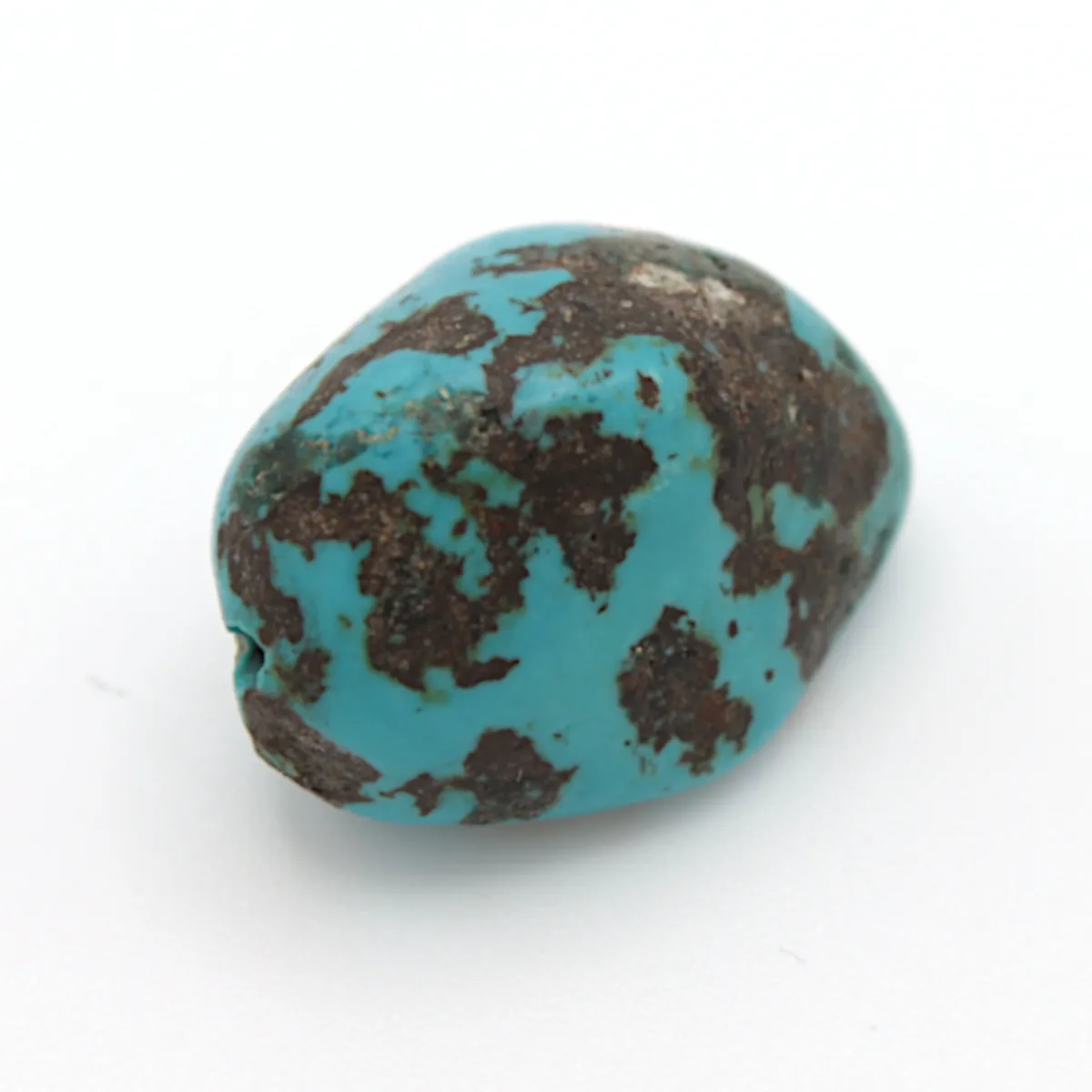
TURQUOISE
✦STONE OF PROTECTION AND TRUTH
✦ CRYSTAL QUICK FACTS ✦


✦ CRYSTAL PROFILE ✦
|
|
Triclinic |
|---|---|
 |
Opaque |
 |
Waxy to Sub-Vitreous |
 |
USA, Iran, Egypt, China |
|
|
Phosphate |
 |
December |
 |
Protective, Truthful, Balancing |
✦ KEY PROPERTIES ✦


✦ CRYSTAL CARE ✦


✦ SACRED ASSOCIATIONS ✦


Turquoise At A Glance
Wholeness, truth, and protection; also aids in public speaking and creative expression
Primarily the Throat Chakra, but also the Heart and Third Eye
Water (also associated with Earth and Air)
Purifying, balancing, and protective
amethyst is far more than a beautiful stone. For over 2,000 years, it has been one of the most prized and spiritually significant crystals in human history. Ancient Greeks carved it into wine goblets believing it prevented drunkenness. Egyptian pharaohs were buried with it. Medieval bishops wore amethyst rings as symbols of divine wisdom. Leonardo da Vinci wrote that amethyst dissipates evil thoughts and quickens intelligence.
n the modern crystal healing tradition, amethyst is known as The Stone of Tranquility — a master healer for the mind, the spirit, and the sleepless soul.
The Meaning & Symbolism of Turquoise
The name “amethyst” comes from the ancient Greek amethystos, meaning “not drunken” or “sober.” Greek mythology tells of a maiden named Amethystos who was transformed into a clear quartz statue to protect her from the wrath of Dionysus, god of wine. In remorse, Dionysus poured his wine over the stone, staining it the deep purple we know today.
Beyond mythology, amethyst has long symbolized:
- Spiritual protection — guarding against psychic attack and negative energy
- Sobriety and clear thinking — both literal and metaphorical
- Royalty and wisdom — historically reserved for kings, queens, and clergy
- Connection to the divine — opening the crown chakra to higher guidance
- Inner peace — the antidote to the modern mind’s relentless chatter
In tarot and esoteric traditions, amethyst corresponds to The High Priestess — the keeper of intuitive wisdom and inner knowing.
Turquoise Healing Properties
✦ Emotional Healing Properties
Amethyst is perhaps best known as a calming stone. It works gently with the nervous system, helping to:
- Soothe anxiety, panic, and racing thoughts
- Calm overactive minds and mental chatter
- Release emotional tension stored in the body
- Ease grief, loss, and emotional overwhelm
- Support recovery from addictive patterns and unhealthy attachments
- Bring patience to anger and frustration
If your mind feels like a storm, amethyst is the rain that quiets it.
✦ Spiritual Healing Properties
As a master crown chakra stone, amethyst is one of the most powerful crystals for spiritual development:
- Awakens intuition and psychic abilities
- Deepens meditation and prayer practice
- Enhances dream recall and lucid dreaming
- Connects you to higher guidance and spirit guides
- Protects the aura from psychic interference
- Supports astral travel and inner journeying
Amethyst is the stone you reach for when you’re ready to listen — not just speak.
✦ Physical Healing Associations
While we always recommend consulting a doctor for medical concerns, amethyst is traditionally associated with:
- Supporting restful sleep and easing insomnia
- Soothing tension headaches
- Calming an overactive nervous system
- Supporting hormonal balance
- Encouraging healthy detoxification
Turquoise & The Chakras
Amethyst primarily activates two of the upper chakras:
The Third Eye Chakra (Ajna)
Located between the eyebrows, the third eye is your seat of intuition and inner sight. Amethyst clears blockages here, helping you:
- Trust your gut feelings
- See situations with clarity
- Recognize patterns and synchronicities
- Develop psychic sensitivity
The Crown Chakra (Sahasrara)
At the top of the head, the crown chakra connects you to higher consciousness. Amethyst opens this gateway, supporting:
- Spiritual connection and downloads
- Feelings of unity and oneness
- Release of limiting beliefs
- Access to divine guidance
For a complete chakra-balancing practice, place amethyst on the third eye during meditation, with clear quartz or selenite at the crown.
How to Use Turquoise
For Meditation
Hold a tumbled amethyst in your dominant hand or place a cluster in front of you. Its frequency naturally slows brainwaves and deepens meditative states. Many practitioners report quicker access to theta-wave states with amethyst present.
For Sleep & Dreams
Place a small amethyst under your pillow or on your bedside table. Avoid sleeping with very large clusters near your head — amethyst is energetically activating, and too much can cause vivid dreams that disturb rest.
For nightmare relief, hold amethyst in your hand as you fall asleep and ask it to guard your dream space.
For Home & Space
Large amethyst clusters or geodes are powerful room cleansers. Place them in:
- Your living room (clears household tension)
- Your meditation or yoga space (deepens practice)
- Your office (reduces stress, sharpens focus)
- Your front entrance (filters energy entering the home)
As Jewellery
Wearing amethyst as a pendant places it directly over the heart and throat — perfect for those needing emotional regulation throughout the day. Amethyst rings worn on the dominant hand support clear decision-making.
In Crystal Grids
Amethyst makes a powerful centerpiece for grids focused on:
- Spiritual development
- Healing trauma
- Releasing addictive patterns
- Psychic protection
Pair with clear quartz points around the perimeter to amplify its frequency.
How to Cleanse & Charge Turquoise
Amethyst absorbs energy — it’s part of how it works. But absorbed energy needs to be regularly released, or your stone will lose its potency.
✅ Safe Cleansing Methods
| Method | How To | Frequency |
| Moonlight | Place on a windowsill during the full moon | Monthly |
| Sound | Ring a bell, tuning fork, or singing bowl near it | Weekly |
| Smoke | Pass through sage, palo santo, or incense smoke | As needed |
| Earth | Bury in soil for 24 hours | When deeply depleted |
| Intention | Hold and visualize white light clearing it | Anytime |
| Selenite | Place on a selenite charging plate | Continuously |
❌ Avoid These Methods
- Direct sunlight — Amethyst’s purple colour fades with prolonged sun exposure
- Salt water — Can damage the stone’s surface over time
- Extreme heat — Hot baths or hot car interiors should be avoided
How Often Should You Cleanse?
- Daily-wear amethyst: Cleanse weekly
- Bedside amethyst: Cleanse every 2 weeks
- Display pieces: Cleanse monthly
- After heavy emotional use: Cleanse immediately
TurquoiseFormation & Composition
Mineral Group: Quartz
Chemical Formula: SiO₂
Crystal System: Trigonal
Formation Type: Hydrothermal
Colour Source: Iron impurities and natural irradiation
Mohs Hardness: 7
Transparency: Transparent to Translucent
Lustre: Vitreous
How Amethyst Forms
Amethyst forms when silica-rich solutions fill cavities within volcanic rock. Over millions of years, quartz crystals slowly develop within these cavities. Trace amounts of iron become trapped inside the crystal structure and are later altered by natural radiation within the Earth, producing the purple colour that makes Amethyst famous.
The depth of colour can vary significantly depending on the concentration of iron and geological conditions present during formation.
What Makes Amethyst Purple?
The purple colour is created by a combination of:
- Iron inclusions
- Natural irradiation
- Crystal lattice defects
Together these create the distinctive violet tones ranging from pale lavender to deep royal purple.
Historical Significance of Turquoise
Ancient Greece
The name Amethyst comes from the Greek word amethystos, meaning “not intoxicated.”
Ancient Greeks believed the stone protected against drunkenness and loss of self-control.
Ancient Rome
Roman nobles carved Amethyst into jewellery, seals and ceremonial objects.
Egypt
Amethyst was used in amulets and protective talismans.
Medieval Europe
Bishops frequently wore Amethyst rings as symbols of wisdom, purity and spiritual devotion.
Modern Significance
Today Amethyst remains one of the world’s most popular crystals and is often associated with meditation, intuition and inner peace.
Turquoise & The Moon
Topics:
- New Moon
- Intuition
- Psychic awareness
- Shadow work
- Transformation
Turquoise In Feng Shui
Amethyst is traditionally associated with:
Knowledge & Wisdom Area
Placed in study spaces, offices and reading areas.
Spiritual Development
Used in meditation rooms and sacred spaces.
Protective Energy
Many practitioners position Amethyst near entrances or communal areas.
Calm & Harmony
Clusters are often displayed in living spaces to encourage peaceful energy.
Crystals That Pair Beautifully With Turquoise
Crystals work synergistically. Here are amethyst’s most powerful companions:
Turquoise
+
Rose Quartz
For: Heart-mind balance
Amethyst calms the mind while rose quartz softens the heart.
Turquoise
+
Clear Quartz
For: Amplified practice
Clear quartz amplifies amethyst’s frequency and intention.
Turquoise
+
Citrine
Found together naturally as ametrine, this pairing balances spiritual insight.
Who Should Work With Turquoise?
Amethyst is one of the most universally beneficial crystals — but it especially calls to:
- The Spiritual Seeker
- The Overthinker
- The Stressed Professional
- The Meditation Practitioner
- The Sensitive Empath
- The Crystal Beginner
If any of these resonate, amethyst is likely already calling to you.
How to Spot Real vs Fake Turquoise
The amethyst market is flooded with synthetics and dyed alternatives. Here’s how to tell the difference:
✅ Signs of Genuine Amethyst:
- Colour variation — Real amethyst has zones of lighter and darker purple
- Natural inclusions — Tiny imperfections, bubbles, or veining
- Cool to the touch — Amethyst stays noticeably cool, even in warm rooms
- Hardness — Should not scratch with a steel knife (it will scratch the knife)
- Weight — Genuine amethyst feels substantial for its size
❌ Red Flags:
- Perfectly uniform colour — Often indicates dyed glass or synthetic
- Air bubbles inside — Sign of glass, not crystal
- Suspiciously low price — Quality amethyst rarely sells for pennies
- “Heat-treated” — Often becomes citrine; not the same energetic frequency
At Alchemy Wares, every amethyst piece is hand-selected and ethically sourced from trusted suppliers in Brazil and Uruguay.
Frequently Asked Questions
Can amethyst go in water?
Yes — amethyst is a hard stone (7 on the Mohs scale) and is generally safe in water for short periods. However, prolonged saltwater exposure can damage its surface. For cleansing, brief rinses in fresh water are fine; avoid leaving it submerged for hours.
Can I sleep with amethyst under my pillow?
Yes, and many people do for better sleep and dream recall. However, amethyst is energetically stimulating for some sensitive sleepers. If you experience overly vivid dreams or restless sleep, move it to your bedside table instead.
Why does my amethyst look faded?
Amethyst fades when exposed to direct sunlight for extended periods. Its iron-based purple colour is light-sensitive. Once faded, the colour cannot be restored — so always charge amethyst by moonlight, never sunlight.
Is amethyst expensive?
Amethyst is one of the more affordable spiritual crystals due to its abundance, especially from Brazil and Uruguay. Small tumbled stones can cost a few pounds; high-grade deep purple clusters or geodes can cost hundreds. Quality varies widely with colour saturation and clarity.
Can amethyst protect against negative energy?
Yes — amethyst is traditionally used for psychic and spiritual protection. It’s particularly effective at filtering negative thought-forms and shielding empaths from energetic overwhelm. Pair with black tourmaline for stronger physical-realm protection.
What’s the difference between amethyst and lavender amethyst?
Lavender amethyst (sometimes called “lavender quartz” or “Veracruz amethyst”) is simply a paler variety. Energetically it’s gentler — better for sensitive children, beginners, or those who find deep amethyst overwhelming.
Can amethyst help with addiction recovery?
Amethyst has a long historical association with sobriety, going back to the Greek belief that it prevented drunkenness. In modern crystal healing, it’s used to support recovery from any compulsive pattern — not as a cure, but as an emotional and spiritual ally during the work of healing.
🛒 Shop Our Turquoise Collection
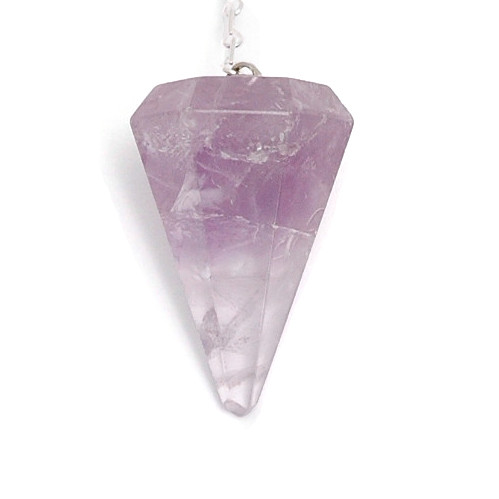
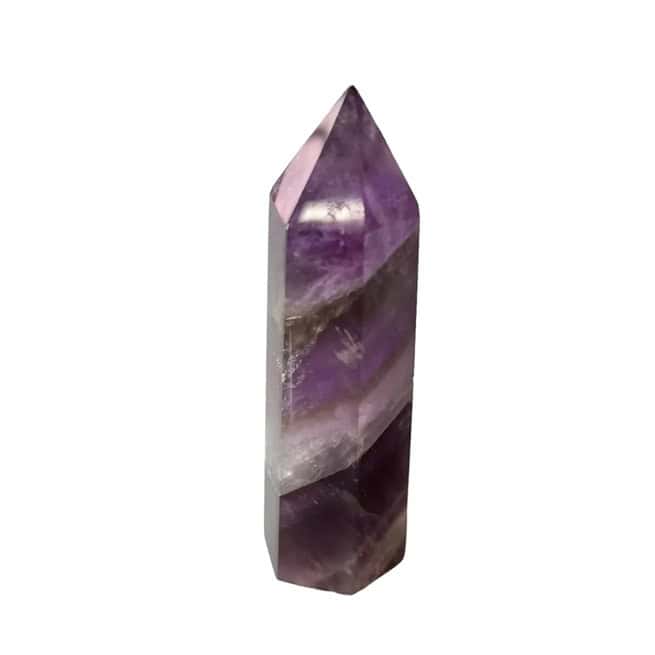
Every piece in our collection is ethically sourced and personally selected. Whether you’re new to crystals or building a practice, we have an amethyst piece for you.
✦ Continue Your Journey
Discover Your Personal Crystal Match
Explore the Crystal Finder Oracle to reveal which stones align with your current intention.
Explore Related Crystals
- [Rose Quartz — The Stone of Unconditional Love →]
- [Clear Quartz — The Master Healer →]
- [Selenite — The Liquid Light →]
- [Lepidolite — The Stone of Transition →]
- [Moonstone — The Goddess Stone →]
A Final Word on Turquoise
Of all the crystals in the mineral kingdom, few are as gentle, as patient, and as quietly powerful as amethyst. It doesn’t demand. It doesn’t perform. It simply waits — like a wise, silent friend — until you’re ready to listen.
Whether you’re easing into your first meditation practice, walking through anxiety, seeking deeper sleep, or stepping onto a more conscious spiritual path, amethyst meets you exactly where you are.
May it serve you well.
— The Alchemy Wares Team